Throttle Body Cleaning: Because Your Engine Deserves to Breathe, Not Wheeze
Your throttle body is, essentially, a glorified butterfly valve — a disc on a shaft that opens and closes to regulate exactly how much air enters your engine. In a perfect world, it would stay pristine forever. In the actual world, oily crankcase vapours circulate through your intake system (by design, cheers emissions regulations) and deposit a thick, gummy layer of carbon sludge all over that valve and its bore. Over tens of thousands of miles, what was once a precise 80mm opening becomes a partially blocked, carbon-encrusted tunnel that your engine management system is desperately trying to compensate for. The result is an engine that idles like a washing machine with a brick in it, hesitates when you ask it to do something, and occasionally stalls at the worst possible moment — usually a junction, usually in front of someone you know. SOSCarFix comes to your driveway, office car park, or roadside disaster zone, cleans the thing properly, runs the re-adaptation procedure, and leaves your engine idling like it has a pulse again.
See our upfront pricingRough idle, stalling, hesitation after cold starts? Your throttle body is caked in carbon. Mobile clean & re-adaptation at your door. Get a quote today.
How it actually works
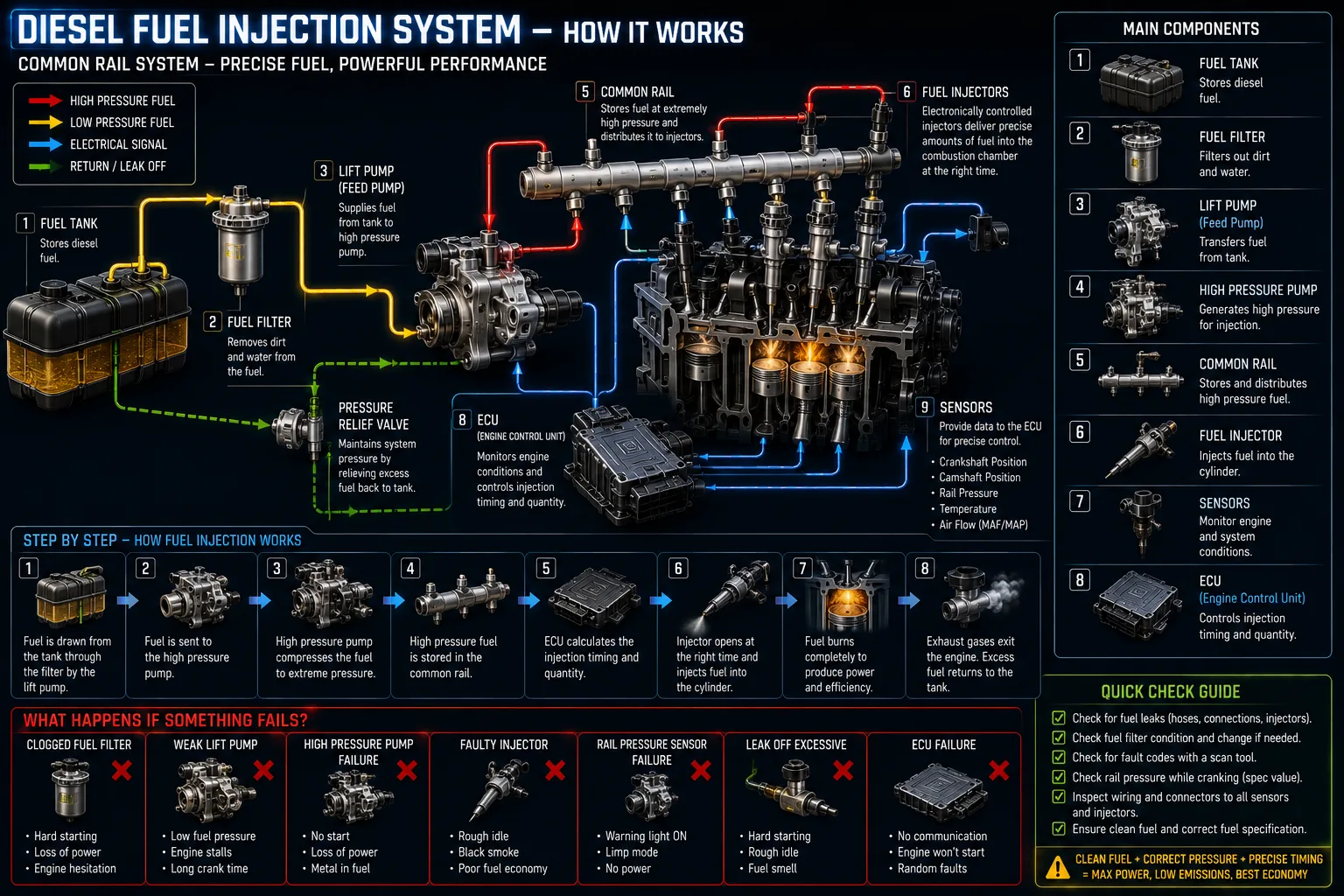
The throttle body sits between your air filter and your intake manifold. When you press the accelerator, the throttle butterfly valve opens — in older cars via a cable, in anything modern via an electronic signal to a stepper motor. Your engine's ECU monitors engine speed (RPM), mass airflow, manifold pressure, and the throttle position sensor to calculate exactly the right air/fuel mixture at any given moment. When carbon builds up around the butterfly valve and the bore, the actual airflow no longer matches what the sensors expect. The ECU starts making increasingly desperate corrections. Idle speed becomes erratic. Cold starts become lumpy. You get flat spots when pulling away. Eventually an engine management light joins the party. Cleaning the throttle body removes that carbon layer — but that's only half the job. Modern drive-by-wire throttle bodies (the electronic ones, which is almost everything made in the last 15 years) require a re-adaptation or relearn procedure after cleaning. The ECU needs to relearn the exact position of the butterfly valve at idle, the minimum airflow required to maintain idle speed, and the relationship between the throttle position sensor and actual valve movement. Skip this step and you'll have a clean throttle body that still idles terribly, because the ECU is still trying to compensate for the gunk that's no longer there. We do both, because doing half a job is for amateurs.
“In a perfect world, it would stay pristine forever.”
Sound familiar?
So what's behind it?
What we do — at your door
We come to you — driveway, office car park, pub car park on a Tuesday if that's where your car lives — with everything needed to do this job properly. We remove the intake hose from the throttle body, inspect the bore and butterfly valve (and photograph what we find, because the horror is worth documenting), and clean the carbon deposits using specialist throttle body cleaner that won't damage the sensors, coatings, or the throttle position sensor electronics. We'll also inspect the butterfly valve shaft for excessive play and the throttle position sensor for wear while we've got clear access. Then comes the critical bit that most people forget: we connect our diagnostic equipment and run the manufacturer-specified idle relearn or throttle re-adaptation procedure for your specific vehicle. This resets the ECU's idle control tables so it knows where the valve actually sits and what airflow to expect from a clean throttle body. We clear any fault codes that triggered from the rough idle, road test to confirm the idle has settled, and make sure everything is solid before we leave. No garage visit, no tow truck, no waiting room with a coffee machine from 2008.
What affects the price
Throttle body cleaning is one of the more straightforward mobile services, but what moves the cost around is worth being honest about. Accessibility varies considerably — on some cars the throttle body is right at the front of the engine, bolted to a single air hose, and takes ten minutes to expose. On others it's buried under inlet manifolds, engine covers, and components that seem specifically arranged to maximise nuisance. The type of throttle body matters too: cable-operated units on older cars just need cleaning and a physical idle adjustment, while electronic drive-by-wire units require the re-adaptation procedure and the diagnostic equipment to perform it — that's more time and kit. If there's an associated fault that needs addressing alongside the clean — a failing throttle position sensor, a sticky IAC (idle air control) valve on older vehicles, or a split intake hose that's been allowing unmetered air in — that's additional parts and labour. We price per job once we know what we're dealing with, not per arbitrary labour hour. And we'll always tell you upfront if we find something that changes the scope.
Random knowledge you didn't ask for
Questions you're probably asking
Can I just spray throttle body cleaner in myself and skip the re-adaptation?
You can clean it yourself, yes — spray cleaner, wipe out carbon, reassemble. However, if your car has an electronic drive-by-wire throttle body (almost anything from 2005 onwards), skipping the ECU re-adaptation procedure means the engine management system is still working from old, incorrect idle tables. You might actually make the idle worse. The cleaning is ten minutes. The relearn requires a diagnostic tool. Both steps matter.
My car idles badly but my mechanic said throttle body cleaning won't fix it — who's right?
Both could be right, depending on what's causing the rough idle. Throttle body carbon is one cause among several — a faulty idle air control valve, vacuum leak, worn spark plugs, dirty fuel injectors, or a failing MAF sensor can produce identical symptoms. A proper diagnostic scan first tells you where to look. We won't clean a throttle body if the diagnostic points clearly elsewhere. Honest advice saves everyone time.
How often does a throttle body need cleaning in the UK?
On typical UK driving — plenty of short journeys, motorway stints, and our damp climate — somewhere between 40,000 and 70,000 miles is a reasonable expectation before carbon build-up becomes symptomatic. Cars predominantly used for short urban runs will hit that threshold faster. GDI direct-injection engines tend to foul sooner, often noticeably by 40,000 miles. If you're buying a used car with no service history past 50,000 miles, assume it's overdue.
Will throttle body cleaning fix my engine management light?
Possibly. If the fault codes stored are related to idle control, throttle position variance, or airflow discrepancies — and the root cause genuinely is carbon fouling — then cleaning the throttle body, running the re-adaptation, and clearing the codes often resolves it. But an engine management light is your ECU telling you something specific. We read the codes first, confirm carbon build-up is the likely culprit, and then proceed. We don't clean throttle bodies hoping for the best.
My car was fine until I had the air filter changed, now it idles terribly — is that related?
Almost certainly, yes — and it's a frustratingly common scenario. A new air filter flows significantly more air than a clogged old one. The ECU was compensating for restricted airflow and a dirty throttle body simultaneously. Remove the restriction and the ECU's compensation is now wildly wrong for the actual airflow. The throttle body was always dirty; the new filter just exposed it. Cleaning the throttle body and running the relearn procedure usually resolves it promptly.
Throttle Body Cleaning — sorted at your door
Stop procrastinating. Get a transparent quote and we'll come to you.