Oil Pressure Sensor: The Little Switch That Cried Wolf (Or Stayed Quiet When It Really Shouldn't Have)
The oil warning light is arguably the most important light on your dashboard. It is not, as many people have discovered to their considerable financial regret, the universal symbol for "sort this out at the weekend." It means your engine may be running without adequate lubrication right now, and without oil pressure, an engine does not gently suggest it needs attention — it destroys itself, bearing by bearing, in a matter of minutes. So when that light comes on, or starts flickering, or conversely never comes on even when it probably should, the first job is to rule out actual low oil pressure before assuming the sensor is just having a drama. The sensor is frequently the culprit. But throwing a new sensor at it without checking the oil level, the oil pressure, and the system health first is the mechanical equivalent of disconnecting your smoke alarm because it keeps going off near the toast.
See our upfront pricingOil warning light on? Or suspiciously never on? Could be your oil pressure sensor lying to you — or your engine crying for help. Mobile diagnosis. Get a quote.
How it actually works
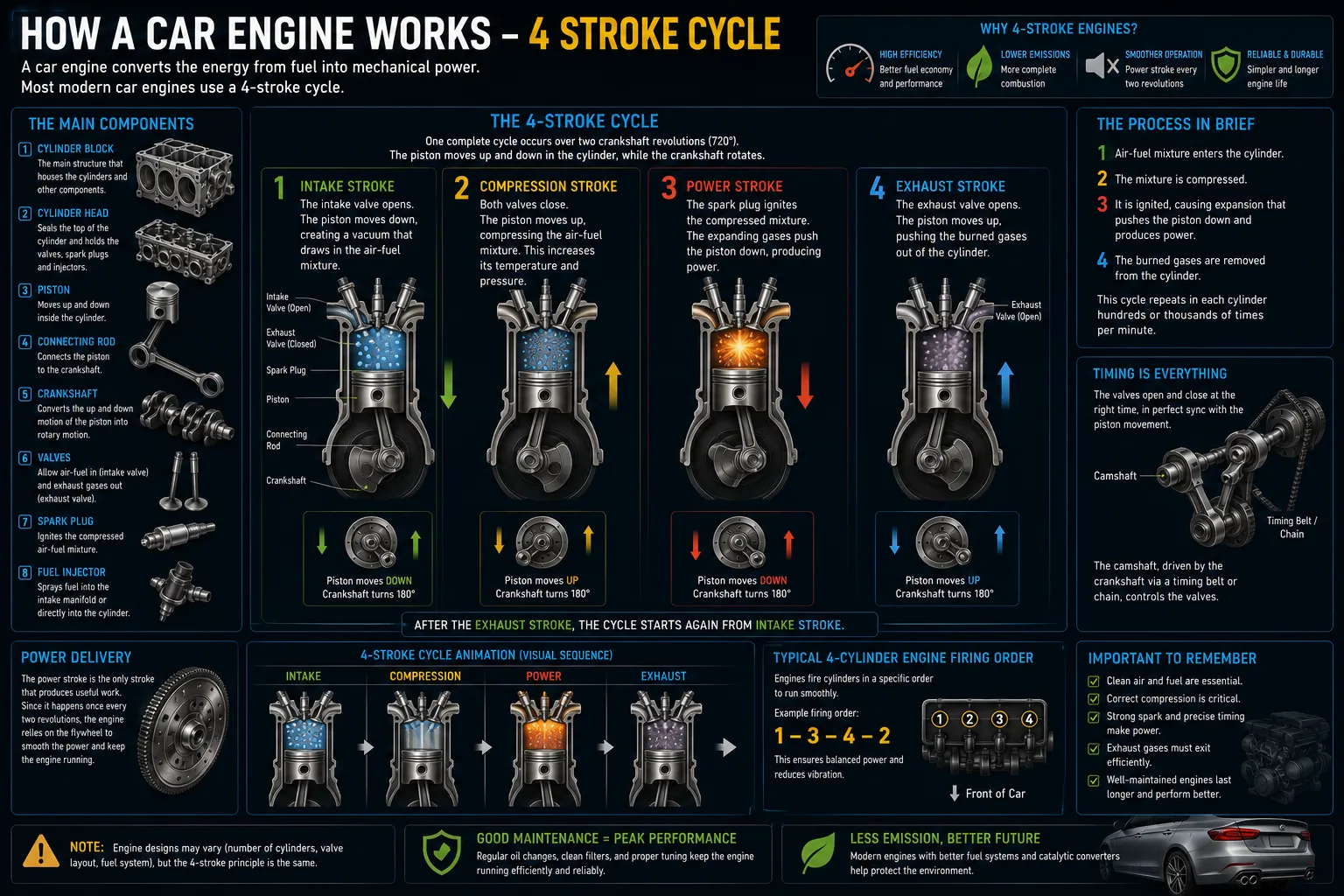
The oil pressure sensor — often called an oil pressure switch on older vehicles — is a small, usually single-wire threaded unit screwed into the engine block or oil gallery. On basic setups it is a simple switch: below a threshold pressure (typically around 4–7 PSI depending on the engine), the circuit closes, and the warning light illuminates on the dash. On more modern vehicles, there is a proper pressure sensor (a transducer) that sends a variable analogue or digital signal to the ECU, which can then display an actual pressure reading, trigger warnings at specific thresholds, and log faults. The ECU uses this data to protect the engine — on some vehicles it will cut power or even shut the engine down if oil pressure drops critically. The sensor itself sits in the oil circuit, so it sees whatever pressure the oil pump is generating at that point in the gallery. A healthy petrol engine at idle typically runs somewhere between 10–25 PSI; at higher revs you might see 40–60 PSI. If the sensor is faulty, it can report low pressure when the oil pump is working fine (false alarm), report normal pressure when oil pressure is actually low (the dangerous scenario), or develop a weeping oil leak around its threads — because it is, after all, screwed into a pressurised oil passage.
“The oil warning light is arguably the most important light on your dashboard.”
Sound familiar?
So what's behind it?
What we do — at your door
We come to you — driveway, car park, office, roadside — and we do not start by assuming it is the sensor. The first step is always checking the oil level and condition, because arriving with a shiny new sensor and ignoring a half-litre-low sump would be embarrassing for everyone. Once the basics are confirmed, we connect a proper scan tool and read live oil pressure data and any stored fault codes — a faulty sensor often logs a circuit fault code (P0520-series) rather than a genuine pressure fault. Where there is any doubt about the actual oil pressure, we can fit a mechanical gauge test to verify what the engine is really producing. If the sensor is indeed the culprit, we replace it with a quality part, use the correct thread sealant or sealing washer to prevent weeping, clear the codes, and verify the light stays off with the engine running. If live data shows the oil pressure itself is genuinely low, we tell you that plainly — because in that scenario the sensor is the messenger and not the problem.
What affects the price
Oil pressure sensor replacement is generally one of the more affordable sensor jobs — the parts themselves are usually modest for common UK vehicles, though some engines bury the sensor in an inconvenient location that adds labour time significantly. Prestige and performance cars (think German V8s with multiple pressure sensors at different points in the system) will cost more than a workhorse diesel hatchback. If the diagnostic process reveals that oil pressure itself is genuinely low — needing an oil pump, bearing investigation, or a sump drop — that is a very different conversation in terms of cost. Oil leaks from around the sensor threads are usually inexpensive to sort if caught early; less so if the thread has been weeping long enough to cause thread damage in the block. We quote before we do anything, so there are no surprises on the bill.
Random knowledge you didn't ask for
Questions you're probably asking
My oil light came on briefly and then went off — is it safe to keep driving?
Stop and check the oil level on the dipstick before doing anything else. If the oil is at the correct level and the light was only a brief flicker, it may be a sensor starting to fail — but it may also be low pressure at idle from worn bearings. A brief flicker on an otherwise healthy, correctly-filled engine that never recurs is likely a dodgy sensor. A light that keeps coming back needs diagnosing properly, not ignoring.
Can a faulty oil pressure sensor damage my engine?
The sensor itself cannot damage the engine — but a sensor that falsely reports normal pressure when pressure is actually low can mask a genuine problem, giving you false reassurance while the engine runs dry. Equally, a sensor that permanently illuminates the warning light trains some drivers to ignore it — which is dangerous if real low pressure develops later. Either failure mode is a reason to get it sorted promptly.
How do you know it is the sensor and not actual low oil pressure?
Live data from a proper scan tool often reveals a circuit fault code specific to the sensor, rather than a plausible pressure reading showing zero. Where there is any doubt, we can fit a mechanical oil pressure test gauge directly to the engine — it has no electronics to fail, so it tells us the true oil pressure independently of the suspect sensor. That confirms or rules out a genuine lubrication problem before we touch the sensor.
My oil pressure sensor is leaking oil — is that serious?
It depends on the rate. A minor weep — a damp patch, perhaps some oil mist around the sensor body — is common and relatively easy to fix: remove the sensor, clean the threads, refit with fresh sealant or a new sealing washer. A proper drip or stream is more urgent; you are losing oil, which means the level drops, which takes you back to the 'possibly real low pressure' territory. Worth sorting before the oil light has something genuine to shout about.
Will an oil pressure sensor fault cause a MOT failure?
Not directly — the MOT does not check oil pressure sensors. However, if the fault triggers the engine management light, that is an MOT failure in itself on cars subject to the emissions-related EML check (post-2003 vehicles broadly). So a logged oil pressure circuit fault code illuminating the EML needs clearing — which means fixing the cause first — before you drive to the test station.
Oil Pressure Sensor — sorted at your door
Stop procrastinating. Get a transparent quote and we'll come to you.