Your Oil Level Sensor Is Either Saving Your Engine or Crying Wolf: Either Way, You Need to Know Which
Somewhere around 2005, engineers decided that the humble dipstick — that wonderfully honest, £0.00 stick of metal you pull out and wipe on a rag — was too low-tech for the modern motorist. Instead, they fitted an electronic oil level sensor in the sump, wired it to an ECU, and put a little oil can symbol on the dash. Progress. The problem is that sensors lie, age, get coated in sludge, and occasionally throw a warning that sends you into a cold sweat in a Tesco car park at 7am, convinced your engine is moments from self-destruction. Sometimes that warning is completely justified — your oil is genuinely low and the sensor is doing exactly the job it was designed for. Other times the oil level is perfectly fine and the sensor has simply decided today is the day it causes chaos. The difference between those two scenarios is important, because one requires urgent action and the other requires a new sensor. SOSCarFix comes to you with a scan tool and a level head, and tells you which is which before you do anything rash.
See our upfront pricingDashboard oil warning on a dipstick-less car? Could be the sensor lying to you — or actual low oil. SOSCarFix diagnoses it at your door. Get a quote.
How it actually works
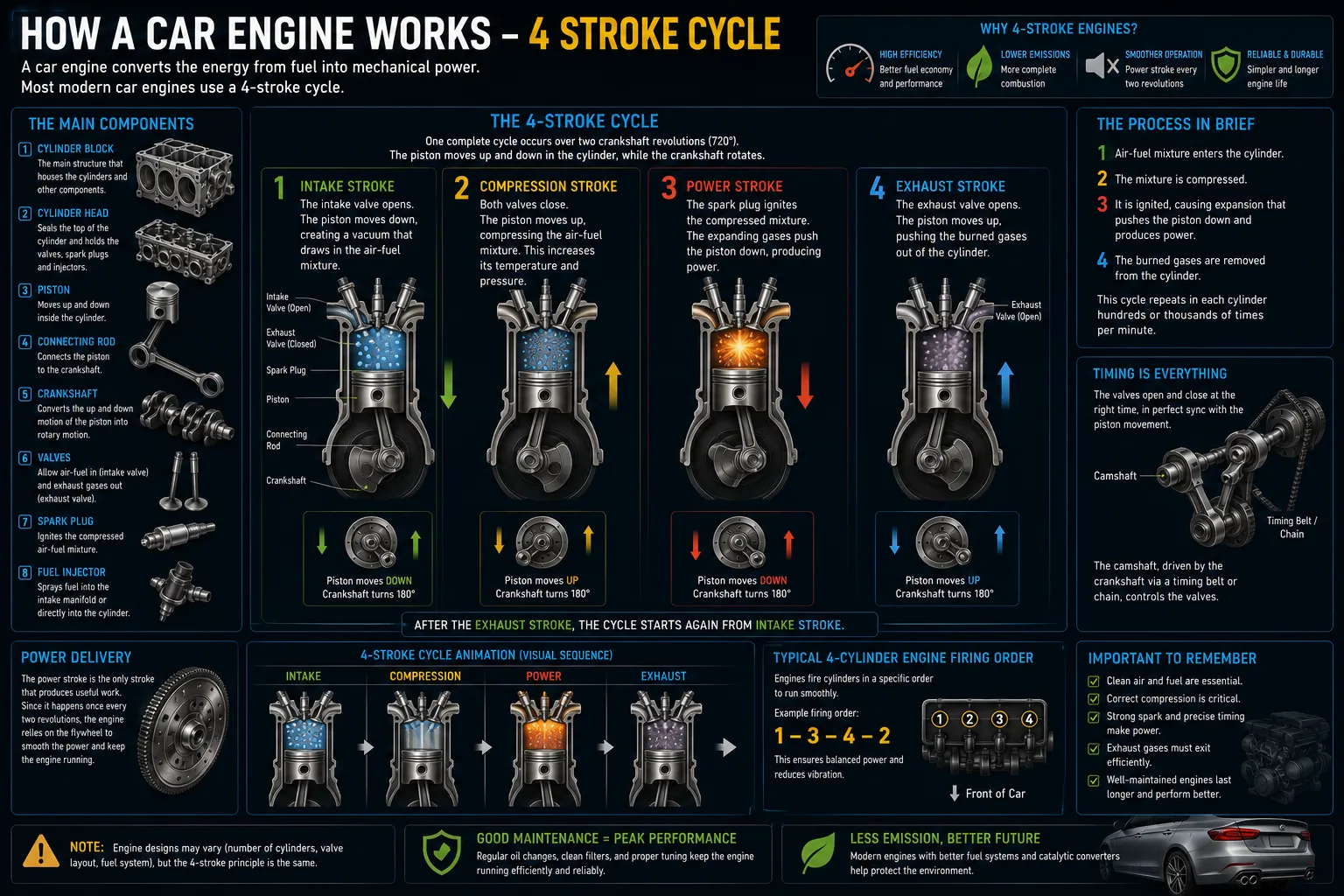
The oil level sensor sits at the bottom of the engine sump — specifically positioned to detect the oil level when the engine has been switched off and the oil has had a chance to drain back down from the top of the engine. Most modern sensors are what the industry calls a capacitive or resistive float-type sensor: a float rises and falls with the oil level, changing an electrical resistance or capacitance that the ECU reads as a level signal. Some more sophisticated systems — particularly BMW, Audi, and Mercedes — use a capacitive sleeve design that can detect both oil level and oil quality simultaneously, monitoring the dielectric properties of the oil to estimate degradation. That's either impressively clever or alarmingly complicated depending on how much you like expensive sensors. The ECU processes the signal from the sensor and cross-references it with whatever it knows about oil temperature, engine-off time (because a sensor read immediately after switching off the engine, before the oil has drained back into the sump, will give a falsely low reading), and any logged fault history. When the level drops below a threshold — typically around one litre low on most engines — it illuminates the oil level warning light on the dash. This is a different warning from the oil pressure light, which is the red one that means stop the engine now. The oil level warning is an amber caution: act soon, not act this instant. The distinction matters enormously and most drivers do not know it.
“Instead, they fitted an electronic oil level sensor in the sump, wired it to an ECU, and put a little oil can symbol on the dash.”
Sound familiar?
So what's behind it?
What we do — at your door
SOSCarFix comes to your driveway, car park, or the layby where common sense prevailed and you stopped rather than pressing on — and starts the right way: by actually checking whether the oil level is genuinely low before anyone touches the sensor. That sounds obvious but it is not universally done, and skipping it is how garages replace a perfectly functional sensor on a car that just needed half a litre of oil. We carry a scan tool that reads live data from the oil level sensor in real time — not just the fault codes logged in the ECU, but the actual signal value the sensor is producing, which tells us whether it is stuck at a fixed reading, oscillating randomly, or simply reading low because the oil is low. We check the wiring connector for corrosion and the sensor housing for physical damage. If a replacement sensor is the correct call, we fit a quality unit to the correct specification for your engine, clear the fault codes, and verify the live data is reading correctly before we leave. What we do not do is guess, throw parts at it, or replace the sensor and hand it back with our fingers crossed. Diagnosis with live data is the difference between fixing the problem and starting a guessing game at your expense.
What affects the price
Oil level sensor replacement cost in the UK depends on a few things that vary quite a bit between vehicles, so anyone quoting you a number without knowing your registration is essentially making something up. The sensor itself ranges from modest on common mainstream cars — your Fords, Vauxhalls, Volkswagens — to eye-watering on some German prestige vehicles where the sensor simultaneously monitors oil level, oil temperature, and oil quality in a single unit, and is priced accordingly. Labour time is usually not the major factor because the sensor is typically accessible from underneath the car, but on some installations it is tucked behind other components and the access time adds up. Wiring connector replacement or harness repair, if corrosion is the root cause rather than the sensor itself, is its own variable. Scan-tool diagnostic time is worth paying for separately rather than skipping — a fifteen-minute live-data session that confirms the sensor is faulty before you buy the part costs far less than replacing a sensor on a car that actually just needed an oil top-up.
Random knowledge you didn't ask for
Questions you're probably asking
The oil level light came on but I checked the dipstick and it looks fine. Is the sensor faulty?
Quite possibly, yes — but 'looks fine' on a dipstick has a lot of room for human error. Check it properly: engine cold, car on level ground, wipe the dipstick, reinsert fully, remove and read. If the level is genuinely between the minimum and maximum marks and the warning persists, a faulty sensor is the most likely explanation. A scan tool reading the sensor's live signal will confirm it quickly rather than leaving you guessing.
My car doesn't have a dipstick. How do I know if the oil is actually low?
On dipstick-less cars — which is increasingly common on BMW, some Mercedes, and a handful of others — your only options are the electronic check via the instrument cluster or infotainment system (usually found in a vehicle status or service menu), trusting the warning light, or, if the warning is behaving suspiciously, having a mechanic pull the sump plug area and measure properly. This is precisely why a sensor fault on a dipstick-less car is more serious than on a car with a physical backup: the sensor is the only tool you have.
Is the oil level warning the same as the oil pressure warning? Both look like an oil can.
They are not the same thing and the distinction is critical. The oil pressure warning is red, comes on while the engine is running, and means stop the engine immediately — low oil pressure means the bearings and internal components are not being lubricated and catastrophic damage is in progress. The oil level warning is typically amber and means the quantity of oil in the sump is low, which is a go home carefully and top it up situation rather than a pull over this instant situation. If in doubt about which light you are seeing, treat it as the oil pressure warning until you can confirm otherwise.
Can I just ignore the oil level warning if the sensor has been unreliable before?
No, and this is exactly the trap that produces dead engines. A sensor with a history of false alarms is still capable of issuing a genuine warning. If you train yourself to dismiss the light because it has been wrong before, the one time it is correct you will miss it. The correct response to an unreliable sensor is to replace the sensor, not to develop a casual relationship with the warning light. Ignoring oil warnings is how you turn a sensor replacement into an engine rebuild.
How long does an oil level sensor replacement take on a mobile visit?
On most common UK vehicles it is a straightforward job — typically under an hour once the car is safely supported for underbody access, the old sensor is out, and the new unit is fitted and the code cleared. Some installations are trickier than others, and if wiring repair is required alongside the sensor replacement the time extends. We carry common sensors for frequent UK vehicles, but on more unusual applications we may need to source the part before the replacement visit.
Your Oil Level Sensor Is Either Saving Your Engine or Crying Wolf — sorted at your door
Stop procrastinating. Get a transparent quote and we'll come to you.